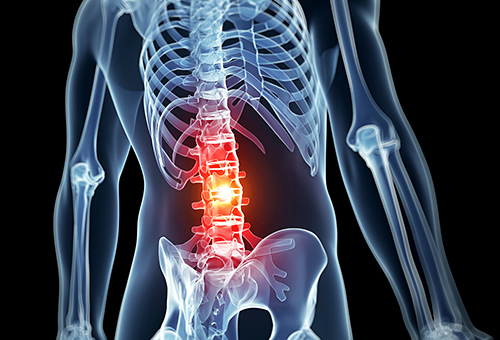
Chiropractic for Chronic Pain: A Key Piece of the Puzzle

To Your Health
April, 2017 (Vol. 11, Issue 04)

Chiropractic for Chronic Pain: A Key Piece of the Puzzle

By Editorial Staff

Chronic pain is a major issue these days, and finding solutions that don’t cause even more pain and misery (read: opioid abuse / addiction) is an even bigger issue. So, it’s refreshing when we get a glimpse of nondrug approaches that are working. And boy is this one working.

Findings from a unique Medicaid pilot project in Rhode Island involving high-use Medicaid recipients from two health plans were recently presented to the state’s Department of Health, demonstrating stellar outcomes with regard to medication use, ER visits, health care costs and patient satisfaction.

Since 2012, Rhode Island Medicaid “Community of Care” enrollees suffering from chronic pain have participated in an integrated chronic pain program designed to “reduce pain levels, improve function and overall health outcomes, reduce emergency room costs, and through a holistic approach and behavioral change models, educate members in self-care and accountability.”

The program features holistic nurse case management with referrals to complementary and alternative medicine (CAM) providers including chiropractors, massage therapists and acupuncturists; and patient education including stress-reduction tips and more.

Community of Care enrollees “have significant economic challenges as well as bio-psycho-social disorders.” CoC enrollees, as might be expected, tend to make more visits to emergency rooms compared to other patients.

pain relief - Copyright – Stock Photo / Register Mark

Here are some of the key findings from the pilot program thus far (2012-2015), showing average per-enrollee improvements post-referral into the integrated chronic pain program compared to pre-referral for enrollees with at least 12 months pre-referral data and 12 months post-referral data. Note that these improvements are also significant compared to the control group, consisting of CoC members who did not enroll in the chronic pain program.

  • Rx Scripts: Prescriptions declined from a whopping 70.42 pre-referral to 25.97 post-referral.
  • Opioid Scripts: Opioid prescription use declined from 7.69 pre-referral to 1.10 post-referral.
  • ER Visits: Emergency-room visits, a major issue for CoC enrollees, declined from 7.57 visits pre-referral to 2.98 visits post-referral.
  • Total Claims Costs: Average pre-referral claims costs approached $20,000 ($19,456.59) per enrollee pre-referral; post-referral, claims costs declined to $14,150.76, including CAM costs.
  • Patient Satisfaction: According to a third-party survey of program participants, 92 percent “agree or strongly agree their CAM provider reduced their pain level”; 82 percent “believe their quality of life has improved by participating”; and 96 percent “would recommend the program to friends or family suffering from chronic pain or fatigue.”

Your doctor can tell you more about chronic pain, the opioid epidemic and how nondrug approaches such as chiropractic care are proving more effective and safer than medication.

Lifetime Chiropractic

To Your Health
August, 2008 (Vol. 02, Issue 08)

Lifetime Chiropractic

By Kevin M. Wong, DC

One of the most exciting aspects of being a chiropractor is helping people on a daily basis. I have been in practice now for more than 11 years, and I still get excited every morning when I go to work because I have so much fun working with my patients.

No doubt you have begun to experience the benefits of chiropractic. As your health care provider, we have the important job of making sure we listen to you, administer the proper care, and relieve your pain so you start to feel better again. Our goal is to help you perform as optimally as possible. This involves teamwork between the doctor and the patient. The chiropractor guides you in your healing while you, in turn, do your home care and perform any exercises they recommend.

Once your pain and discomfort are gone, it feels as if you have your life back again. You are able to go out and perform your everyday activities like exercising, playing golf or going places with your family. We, as chiropractors, are extremely pleased when our patients begin feeling better, and eventually they tell us they feel “normal” again. But our responsibility to you, the patient, does not end there.

In my practice, I start a relationship with my patients – one deeply rooted in trust and understanding – on the first day I meet them. I explain and educate them on their ailment, the treatment and what they are expected to do outside the office to help get them better. This expectation I have of patients taking care of themselves follows them throughout their lives, even after we have stopped active care.

image - Copyright – Stock Photo / Register Mark

As much as we hope our adjustments hold forever and our patients continue to feel better, the reality is that, inevitably, your body will need checkups every so often. Life circumstances often arise that can cause your spine and other joints of the body to become stressed and thrown back out of alignment.

Did you know you could benefit from regular spinal checkups – just like you benefit when a dentist cleans your teeth or a mechanic changes the oil in your car? Regular chiropractic maintenance can help you avoid major problems before they happen.

Lifestyle Stress

Lifestyle stress or injuries can happen to your body simply as a part of living your normal life. Think for a moment about your average daily activities. As you retrace your steps from the time you wake up until the time you go to bed, you can probably identify numerous tasks that potentially could cause stress on your body. There are so many different types of activities we perform during the course of a day, week or month. Here are a few of the most common scenarios I hear when a patient comes in seeking treatment.

If you are a parent of young children, your activities can include much of the following: bending over and using your arms to pick up, hold and carry your children; driving multiple times daily; pushing strollers; and changing diapers. Do you think any of these activities can put stress on the spine and other parts of the body?

How about those days when you are home and need to do the laundry, vacuum, mop the floors and straighten up around the house. Could any of these duties cause some wear and tear on your body? Let’s not forget those of you who work clerical or desk jobs. You might spend much of your day sitting in meetings, typing on the computer, talking on the phone, filing papers or photocopying. Do any of these activities put stress on your body? Certainly these activities can all be stressful – especially over time.

Workout Stress

Even engaging in activities that are good for you, such as regular exercise or sports-related activities, can lead to stress on your body.  Think of your average exercise workout. Run through it in your mind from start to finish and visualize what you are putting your body through. It can be as simple as going on the treadmill or elliptical machine, or as complex as intense weight training. It can involve a nice, slow stretching class or a high-intensity spinning class. Pilates/mat classes, yoga, balance ball, foam roller, or exercise ball: What’s your cup of tea?

Now think about specific athletic events in which you still might engage. Is it basketball, tennis, golf, running, racquetball or softball? Whatever you prefer to play, do you think it could put a strain on your body? The answer, of course, is yes it can!

Why Can’t Chiropractic Last Longer?

One of the questions patients ask me is, “Why can’t you just put me back in alignment and have it stay that way? Why do I have to come back every so often?” The reason your chiropractic adjustments do not hold forever is because you go out and live your life. When you do the things we described earlier, your muscles, spine and joints react to the stress over time.

When you think about it, almost every single job or daily activity can have an effect on the alignment of your spine and extremities. Even though we encourage you to exercise to stay healthy, it can cause stress on your body that needs to be addressed. Your body reacts by moving out of alignment and your muscles spasm, which causes swelling, pain and discomfort to return. Does that mean you shouldn’t exercise? No! Stress is a normal part of life. The point I want to make is that you can do something to keep it from negatively affecting your body and your health.

Some patients are able to hold their adjustments longer than others. Certain patients might only come in for an annual checkup because they exercise and do things that keep them strong. Other patients might come back every two weeks because their daily routine is so physically demanding that they are quickly thrown out of alignment. It all depends on your genetics, your commitment to your home exercises and your lifestyle. You and your chiropractor will be able to discover what your optimal frequency should be for coming back to the office for spinal tune-ups.


Kevin M. Wong, DC, a 1996 graduate of Palmer College of Chiropractic West in San Jose, Calif., practices full-time in Orinda, Calif. He is also an instructor for Foot Levelers, Inc.

“Tech Neck”: The Fix Is in the Foundation

To Your Health
March, 2017 (Vol. 11, Issue 03)

“Tech Neck”: The Fix Is in the Foundation

By Brian Jensen, DC

Freeze. Don’t move a muscle. As you read these words, notice the placement of your head – are you leaning into the page or the screen? What about your shoulders – are you hunched over a magazine or electronic device? Do a quick self-assessment: How does your current posture compare with ideal posture?

If you’re like most people, you tilt your head when you read or use a smartphone or other electronic device, when you’re at your desk at work, and pretty much any time you’re examining something closely. The trouble is, smartphone use has dramatically increased the frequency and duration of this activity, particularly among young people. Some are referring to the resulting poor posture as “text neck,” although I prefer the more comprehensive “tech neck.”

The human head weighs about 10-12 pounds when in a neutral position: balanced between the shoulders, chin level, and eyes gazing forward, shoulders and shoulder blades retracted. In a study, Kenneth K. Hansraj, MD, found that this weight – and the resulting load on the spine – increases dramatically when the head flexes forward: “As the head tilts forward, the forces seen by the neck surge to 27 pounds at 15 degrees, 40 pounds at 30 degrees, 49 pounds at 45 degrees and 60 pounds at 60 degrees.”1

The long-term consequences of a tilted-head posture, according to Dr. Hansraj, are incrementally increased stresses about the cervical spine that could lead to early wear, tear, degeneration and possibly surgery.

tech neck - Copyright – Stock Photo / Register Mark

“People spend an average of two to four hours a day with their heads tilted over, reading and texting on their smartphones and devices,” Dr. Hansraj says. “Cumulatively, this is 700 to 1,400 hours a year of excess stresses seen about the cervical spine. It is possible that a high-school student may spend an extra 5,000 hours in poor posture.”

The obvious answer to what some are calling an “epidemic” of poor posture isn’t very practical – people aren’t going to use their phones less. Strengthening exercises and mindfulness of one’s posture can help alleviate some of the strain, but it’s also important to look down the entire kinetic chain to ensure the neck has a stable foundation to start from.

Work From a Stable Foundation

The feet are the foundation of the body. While 99 percent of all feet are normal at birth, 8 percent develop troubles by age 1, 41 percent at age 5, and 80 percent by age 20. By age 40, nearly everyone has a foot condition of some sort.

The feet are literally inseparable from the neck – they’re connected through what’s known as the kinetic chain. Over the long term, the repetitive stresses of daily life lengthen the connective tissues in the feet, causing a slow breakdown of the normal support for the bones and joints and a decrease in elasticity, eventually leading to a sagging of the foot’s arch. When this happens, those stresses move into the legs, the pelvis and ultimately, the spine.

When posture is already poor, the spine can’t handle stress the way it could if fully supported. The force imposed from the increased weight of the head borne by the spine in a hunched or leaning posture is exacerbated by the stress imposed from below.

To stabilize the kinetic chain, I recommend the use of custom-made functional orthotics. Custom orthotics provide:

  • Static support. During a standing posture, the alignment of the arches in each foot has a significant impact on the position of the legs and pelvis. When the arches are low and/or pronating excessively, the knee will rotate medially. A research study using radiographic measurements found that custom-made, flexible orthotics can significantly improve the alignment of the arches when standing.2
  • Dynamic support. During gait, the foot must permit a smooth transfer of the body’s center of mass over the leg to conserve energy and keep the work expenditure to a minimum.3 This requires an orthotic to be flexible yet supportive, and orthotic designs must consider weight and intensity of forces; proper movement and function of the foot; and support of all three arches to prevent eventual arch collapse.
  • Postural benefits. Improving foot alignment can help maintain knee, hip, pelvis and even spinal postural alignment.4 Preventing hip, knee or spinal joint degeneration requires the additional support and shock absorption provided by orthotics. And a pelvic or spinal tilt or recurrent subluxations will often respond rapidly to orthotic support.5

Ask your chiropractor to evaluate your posture and discuss whether custom-made orthotics could be added to your health and wellness program.

References

  1. Hansraj KK. Assessment of stresses in the cervical spine caused by posture and position of the head. Surgical Technology International XXV, October 2014:277-279.
  2. Kuhn DR, et al. Radiographic evaluation of weight-bearing orthotics and their effect on flexible pes planus.” J Manipulative and Physiological Therapeutics, 1999;(4):221-226.
  3. Kirby KA. Biomechanics of the normal and abnormal foot. J American Podiatric Medical Association, 2000;90(1):30-34.
  4. Baylis WJ, Rzonca EC. “Functional and structural limb length discrepancies: evaluation and treatment.” Clinics in Podiatric Medicine and Surgery, 1988;5(3):509-520.
  5. Rothbart BA, Estabrook L. Excessive pronation: a major biomechanical determinant in the development of chondromalacia and pelvic lists. J Manipulative and Physiological Therapeutics, 1988;11(5):373-379.

Brian Jensen, DC, is a graduate of the University of Nebraska and Palmer College of Chiropractic. He specializes in structural biomechanics and has been in practice for 17 years.


7 Signs and Symptoms: Opioid Prescription Is Leading to Danger

To Your Health
February, 2017 (Vol. 11, Issue 02)

7 Signs and Symptoms: Opioid Prescription Is Leading to Danger

When a physician prescribes an opioid – such as such as oxycodone (Oxycontin, Roxicodone) and those containing hydrocodone (Vicodin, Lortab, Norco) – to help you or a loved one to manage nagging back pain, the last thing on your mind is that the drug is addictive and may lead to dependency, drug abuse, or even death.

Think again. Addiction can happen quickly – within a few weeks – and depends upon the specific drug. Fortunately, a safer option exists when it comes to managing your pain. Click here to learn more.

Ditch the Drugs for Low Back Pain

To Your Health
February, 2017 (Vol. 11, Issue 02)

Ditch the Drugs for Low Back Pain

By Editorial Staff

Ask someone with low back pain what they do to manage the pain, and you’ll usually get one of several responses: endure the pain or take over-the-counter pain medications. And in some cases, their doctor may have prescribed even stronger pain meds such as opioids, which have been in the news lately for all the wrong reasons.

Of course, if they’ve been to a doctor of chiropractic before, they know what not enough people know: Chiropractic is a first-line treatment option for low back pain, while OTC and other pain medications provide only short-term relief, don’t address the root cause of the pain, and have side effects that range from mild to life threatening.

Fortunately, research is proving the benefits of non-drug treatment options for LBP and emphasizing the relative lack of effectiveness / side effects of commonly used pain medications. For example, a recently updated guideline from the American College of Physicians recommends chiropractic and other nondrug options (acupuncture, massage, exercise, tai chi, heat therapy, etc.) for acute (lasting less than four weeks), subacute (lasting four to 12 weeks) and chronic (lasting longer than 12 weeks) low back pain before turning to medication. Only if these options prove ineffective should doctors consider recommending medication, according to the guideline.

A recent study underscores the ineffectiveness of medication for low back pain and other forms of spinal pain, concluding that nonsteroidal anti-inflammatory drugs (NSAIDs, such as aspirin and ibuprofen) are no more effective than placebo for combating spinal pain. In other words, drugs worked no better than doing nothing! (A placebo is an inactive treatment patients think is active; in this case, a nondrug pill they thought was actual medication.)

What’s more, the study noted that 5-6 patients would need to take medication in order for just one to achieve a meaningful benefit. Let’s hope if you do take pain meds, you’re the one who does benefit, particularly considering “all NSAIDs have been associated with cardiovascular and gastrointestinal risks,” according to the study, whose researchers also found that NSAID use elevated the risk of adverse GI effects in the first two weeks of use. If you’re the majority who don’t benefit from the medication, why are you taking them in the first place when natural pain-relief options are preferred and recommended first?

The bottom line: If you’re already seeing a chiropractor for your low back pain, great job! If you’re not, what are you waiting for? Physician guidelines and research are pointing you in the right direction.

Nutrition for Menopause: A Drug-Free Approach for All Phases

To Your Health
February, 2017 (Vol. 11, Issue 02)
|

Nutrition for Menopause: A Drug-Free Approach for All Phases

By Seth Herbst, MD, FACOG

Of all the changes women experience during their reproductive life, there is no doubt the most dreaded are the three phases of menopause. This is not surprising since all of the symptoms associated with menopause are replete with unpleasantness.

Hot flashes, night sweats, sleep disturbance, mood swings, bone density issues, hormonal imbalance and low libido are not only distressing, but also can impact a woman’s health and quality of life in multiple negative ways.

The gradual depletion of estrogen production associated with aging is the catalyst for most menopausal symptoms. Lack of estrogen may affect other organs of the body including the brain, contributing to negative emotional well-being; as well as the skin, reducing thickness and elasticity. There is also evidence that declining estrogen levels may make women more vulnerable to heart disease and stroke.

With such a comprehensive list of negative effects brought on by menopause, it is understandable that the most logical remedy for symptoms associated with menopause became the administration of synthetic hormones, or hormone replacement therapy.

HRT came into use nearly six decades ago and was generally prescribed to women as they began to experience menopausal symptoms. However, as multiple studies over the decades associated traditional HRT with various cancers and other negative side effects, the use of artificial hormones to treat menopausal women has declined significantly.

Natural Options to Consider

menopause - Copyright – Stock Photo / Register Mark

Although artificial hormone therapies for menopausal women continue to be debated and refined, alternative therapies with no link to negative side effects merit serious consideration.

Examining the nutritional deficiencies that may accompany the demands that menopause places on the female body indicates that addressing nutritional needs at the cellular level is vital to effectively treating all phases of menopause.

The process of aging diminishes the body’s ability to activate vitamin D. This lowers calcium absorption rates, which increases the risk of osteoporosis in the postmenopausal woman.

Calcium may lose its effectiveness if vitamin D is deficient or estrogen levels are low. Magnesium deficiency can contribute to insomnia and other menopausal symptoms.

Estrogen enhances magnesium utilization and absorption; declining levels of estrogen associated with the stages of menopause can create magnesium and other mineral deficiencies.

B vitamins play a key role in reducing menopausal stress. Thiamine, niacin, B12 and folic acid are often referred to as the “stress vitamins.” Although the ovaries stop producing estrogen in time, adrenal glands and fat cells will continue to produce the hormone. B3 and folic acid help support this production.

Mildred Seeling, MD, describes this in the Journal of the American College of Nutrition:1-2

“Estrogen enhances magnesium utilization and uptake by soft tissues and bone, and may explain the resistance of young women to heart disease and osteoporosis, as well as the increased prevalence of these diseases when estrogen production ceases.”

Superfoods and Cellular Nutrition for Women’s Health

Dark-green leafy vegetables such as kale, collard greens and broccoli are low-calorie sources of phytoestrogens. They are also rich in important nutrients such as iron, calcium, folate and B vitamins which support healthy management of menopausal symptoms.

Beans and other botanicals are rich in phytoestrogens. Daidzein, an isoflavone found chiefly in legumes such as soy beans and other plant-based sources, such as red clover, helps reduce menopausal hot flashes.3

Panothenic acid, or vitamin B5, is found in salmon, sunflower seeds and avocados. It can reduce hot flashes and help mood stabilization.

Royal jelly is a true superfood loaded with minerals, vitamins, protein and pheromones. Plant hormones stimulate weak estrogenic actions and stimulate adrenals to help alleviate stress, reduce hot flashes and fight fatigue associated with menopause.

Bee pollen extract also helps with these symptoms and may help with weight management as well.4

Plant-based supplements such as guggul gum, Cnidium monnieri and Moringa leaf 5 contain vitamin D and calcium for bone health; they help regulate mood swings, reduce hot flashes and night sweats, and increase libido.

Talk to Your Doctor

In my practice, I have experienced a substantial rise in menopausal patients seeking alternatives to traditional hormone replacement therapy. This trend has been experienced by my colleagues as well. Women have concerns about HRT, but want relief from the debilitating symptoms of menopause.

While traditional hormone therapy has helped many women, we have generally ignored correcting nutritional deficiencies and using functional medicine, an approach women prefer and has been quite successful in my own practice. Using quality, organic sources, the symptoms associated with menopause can be successfully treated with virtually no negative ramifications.

Addressing nutritional support for women during menopause, perimenopause and postmenopause with scientifically validated phytonutrients can and does provide a front-line treatment for symptoms associated with all stages of menopause.

In addition to reducing the risks associated with traditional hormone therapy, this approach to wellness empowers women to take more control of their own unique health needs holistically and in a much more natural way than previously accepted protocols. Talk to your doctor to learn more.

References

  1. “Menopause, Insomnia and Magnesium Deficiency.” Nutrition Breakthroughs: www.nutritionbreakthroughs.com/html/menopauseinsomnia_sleepmineral.html.
  2. Seelig MS. Interrelationship of magnesium and estrogen in cardiovascular and bone disorders, eclampsia, migraine and premenstrual syndrome. J Am Coll Nutr, 1993 Aug;12(4):442-58.
  3. Khaodhiar L, et al. Daidzein-rich isoflavone aglycones are potentially effective in reducing hot flashes in menopausal women. Menopause, 2008 Jan-Feb;15(1):125-32.
  4. Yakoot M, Salem A, Omar AM. Effectiveness of a herbal formula in women with menopausal syndrome. Forsch Komplementmed, 2011;18(5):264-268.
  5. Kushwaha S, Chawla P, Kochhar A. Effect of supplementation of drumstick (Moringa oleifera) and amaranth (Amaranthus tricolor) leaves powder on antioxidant profile and oxidative status among postmenopausal women. J Food Sci Technol, 2014 Nov;51(11):3464-69.

Dr. Seth J. Herbst, founder / president of the Institute of Women’s Health and Body, has practiced as a board-certified obstetrician / gynecologist for more than 25 years. He is an advocate of functional and integrative medicine and offers his patients a wide range of non-traditional nutritional therapies for all phases of their reproductive cycles. Dr. Herbst spent his medical training / residency at Long Island College Hospital in Brooklyn, NY.. Recognized by Castle Connelly and U.S. News & World Report as one of America’s Top Doctors, he continues to research and master the latest technologies in restorative vaginal procedures as a pioneer in this field.

Prevent Childhood Depression by Helping Your Kids Stay Active

To Your Health
January, 2017 (Vol. 11, Issue 01)

Prevent Childhood Depression by Helping Your Kids Stay Active

By Editorial Staff

We all know about the myriad benefits of activity when it comes to reducing the risk of developing physical conditions such as cardiovascular disease, diabetes and some forms of cancer. That’s why parents are encouraged to teach their children to make exercise and other forms of physical activity a daily, enjoyable part of life. But what about the mental benefits?

Depression is a significant mental health issue for adults and children alike. In fact, according to the National Institute of Mental Health, 12.5 percent of the U.S. population ages 12-17 experienced at least one major depressive episode. That’s an estimated 3 million U.S. adolescents / teens.

But there’s good news: Research suggests keeping kids active can reduce their risk of suffering depression. In fact, in one study, children who participated in more moderate to vigorous physical activity at ages 6 and 8 were less likely to have symptoms of major depressive disorder two years later.

active kids - Copyright – Stock Photo / Register Mark

While there are some limitations to the study,the results make sense from a biochemical perspective: Exercise promotes the production of chemicals in the brain that improve mood, and also reduces the production of stress hormones. Low levels of mood enhancers (serotonin, etc.), and high levels of stress hormones (cortisol, etc.), increase the risk of depression.

The moral to this story is simple: stay active! Model active behavior and participate in as much physical activity as you can with your children. It will benefit the entire family’s physical and mental health.

Back Pain & Risk of Falling: A Dangerous Combination

To Your Health
January, 2017 (Vol. 11, Issue 01)
|

Back Pain & Risk of Falling: A Dangerous Combination

By Editorial Staff

In our last edition, we featured research suggesting chronic back pain may lead to mental health problems including depression, stress and even psychosis. But the reality gets more grim, particularly if you’re a senior: Back pain may increase the risk of falling, and when you’re older, that can be a serious health issue with serious consequences.

Here’s why: According to the National Institutes of Health (NIH), more than 1.6 million older U.S. adults visit the ER for a fall-related injury every year. In fact, falls are the No. 1 cause of fractures, hospital admissions for trauma, loss of independence and injury deaths among the elderly population.

back pain - Copyright – Stock Photo / Register Mark

Now back to the latest study: Researchers tracked more than 6,000 men ages 65 and older, assessing their frequency of back pain, episodes of falling and other variables that could also influence fall risk (medication use, dizziness, disabilities and pain in other areas of the body). Men who reported back pain were 30 percent more likely to suffer multiple falls compared to men without back pain, and risk correlated with the prevalence of back pain: two sites of pain increased the risk compared to just one site, and three sites increased the risk even further. Increasing severity and frequency of back pain also increased fall risk, according to the study.

The takeaway is simple: If you’re suffering from back pain, regardless of age, it’s time to visit your doctor of chiropractic. Your body will thank you for it.

Tips for Choosing the Best Magnesium Supplement

Tips for Choosing the Best Magnesium Supplement

By Dr. Decker Weiss, NMD, FASA,
Naturopathic Cardiologist

Magnesium is a critical mineral involved in over 325 biochemical reactions in your body. It’s estimated as many as 80% of Americans are deficient in magnesium and it’s very difficult to get enough from food alone. An increase in processed foods in many of our diets has reduced magnesium intake, but even if you are eating a healthy diet full of fruits and vegetables, you aren’t getting as much magnesium as our ancestors due to current farming practices and soil depletion. Many people are turning to magnesium supplements to increase their intake of this vital mineral. However, there are a number of different magnesium supplements in a wide variety of forms, and it’s difficult to choose the best one for your health.

Read More to Learn Tips for Choosing the Right Magnesium Supplement for You…

Back Pain: Bad for Your Mental Health

To Your Health
January, 2017 (Vol. 11, Issue 01)

By Editorial Staff

If you’re not already utilizing chiropractic care to resolve your back pain and reduce the likelihood it will return – not to mention improving your overall health and wellness – that means one of two things: you haven’t suffered back pain (yet) or you’ve decided to temporarily suppress the pain with over-the-counter or prescription medications. The latter is, as mentioned, a temporary solution that doesn’t address the root causes of the pain, while the former is also likely temporary, since an estimated 80 percent of adults will suffer back pain at some point in their lifetime.

Back pain can be a problem for a variety of reasons beyond the pain, whether it’s limiting your daily function, forcing you to take time off work, or otherwise impacting your life. But there’s another reason suggested by recent research that should vault “getting rid of back pain” to the top of your priority list: Back pain could increase your risk of suffering mental health problems.

back pain - Copyright – Stock Photo / Register Mark

The study used data from the World Health Organization’s World Health Survey 2002-2004 and involved more than 200,000 study subjects ages 18 and older from 43 countries. Data analysis revealed that compared to people without back pain, those with pain were more than twice as likely to suffer from one of five mental health conditions: anxiety, depression, psychosis, stress and sleep deprivation. Subjects with chronic back pain were particularly at risk for a depressive episode (more than three times more likely) or psychosis (2.6 times more likely) compared to pain-free subjects.

Think you’ve got your back pain handled? Nice try. Do something about the pain – and the potential mental health consequences – with regular visits to your doctor of chiropractic.